In most cases, this technique allows patients who have undergone patellofemoral joint replacement surgery to recover more quickly and return to normal activities more quickly than those who have undergone total knee replacement surgery. Additionally, some additional exercises can help with walking and strengthen the knee.

Stretch cocktail dress, sheer stripes, open back, sold out
Doctors call this condition "jumper's knee" or "runner's knee." Overuse of the knee is a common cause of this condition.

Patellofemoral syndrome: A practice of the American Academy of Orthopaedic Surgeons (AAOS) . Ligaments and tendons help stabilize the kneecap. If you suffer from this syndrome, you will experience pain under and around the knee. Symptoms: The most common symptom of patellofemoral syndrome is a dull, stabbing pain in the front of the knee.
Your doctor or physical therapist will advise you when to begin these exercises. Patellofemoral joint replacement is a minimally invasive surgical procedure that minimizes damage to the soft tissues of the knee. Patellofemoral joint pain syndrome (PDF document) during stretching.
For this program to be safe and effective, it must be followed under the supervision of a physician. Common medical problems include paralysis, persistent pain, fat pad compression, and patellar tendon rupture. Progress gradually with each exercise and gradually increase the intensity.
Slowly raise one leg as high as possible. It's important to read this leaflet to better understand and manage this condition. Patellofemoral pain syndrome (PFPS) is a general term for pain in the front of the knee and around the kneecap. This syndrome is sometimes called "runner's knee" or "jumper's knee" because it's more common in athletes, especially women.
Patellofemoral pain syndrome (PFPS) is a general term for pain in the front of the knee and around the kneecap. The risk increases if the joint is too tight or too loose. Pain can also occur under the kneecap and sometimes in the back of the knee.
The American Orthopaedic Association (AOM) Patellofemoral Pain Syndrome (VFPS) exercises are now available. The AOM PDF provides students with a comprehensive way to track their progress after completing each unit. Tickets are on sale today; get yours now.
The fracture itself and the underlying cartilage injury to the patella. Pleural plexus syndrome is a condition characterized by a tear in the synovial membrane. River Road, Rosemont, IL 60018. Phone:
• Running or jumping • Walking while standing • Sitting • Going up or down stairs (patellofemoral pain syndrome) Treatment There are numerous treatment options for knee osteoarthritis.
Rosemont, Illinois, American Academy of Orthopaedic Surgeons, 2010. The most common symptom of patellofemoral pain syndrome is a dull, stabbing pain in the front of the knee. The best treatment is to avoid activities that put excessive pressure on the kneecap. Patellar exercises: Stretching exercises. This booklet contains all the exercises learned in the "Patellofemoral Pain Syndrome" section.
Patients with patellofemoral osteoarthritis should avoid activities that put pressure on the front of the knee, such as bending. The exact cause of patellofemoral pain is unknown. In the early stages of patellofemoral pain syndrome...
Patellofemoral pain syndrome is defined as pain in the upper knee. This pain is called knee pain (patellofemoral pain). This syndrome is also known as patellofemoral syndrome (runner's knee).
This can occur due to abnormal movement of the patella. Here are some examples of common rehabilitation exercises for your condition. Thanks to a team of qualified and dedicated instructors, the PDF "Patella Exercises" from the American Academy of Orthopaedic Surgeons (AAOS) aims not only to share knowledge but also to help students explore and develop their own ideas.
Pain may worsen with exercise or prolonged sitting. Knee rehabilitation exercise program (/pdfs/rehab_knee_6.pdf) orthoinfo American Academy of Orthopaedic Surgeons 6300 N. Avoid wearing high heels.
This condition is sometimes called patellar tendinitis or jumper's tendinitis because it is more common in athletes, especially women and older adults. However, patellofemoral pain syndrome can also affect athletes. You may experience pain in one or both knees. Make sure your knees and upper body remain straight during exercise.
Weak quadriceps muscles can increase the risk of patellofemoral syndrome. Regular exercise can help reduce stiffness and strengthen the muscles that support the knee. Other tests are available to evaluate pain in the patella or around the patella.
Patellofemoral syndrome is a condition characterized by pain in the front of the knee and around the kneecap. Return to the starting position without arching your back. Patellofemoral pain is a common knee problem.
These conditions include anterior knee pain syndrome, patellofemoral dysfunction, and chondromalacia patellae. Begin by lying on your stomach with your legs extended behind you. (Rosemont, Illinois, American Academy of Orthopaedic Surgeons, 2010) The most common symptom of patellofemoral pain syndrome is a dull, stabbing pain in the front of the knee.
Patellar tendinitis. A rehabilitation program after injury or surgery can help you regain mobility. Avoid exercising while sitting at a desk or lifting heavy objects.
We want you to feel better as soon as possible. Consult your doctor or physical therapist to find out which exercises will help you reach your rehabilitation goals. Patellofemoral Pain Syndrome: What is Patellofemoral Pain Syndrome?
The main cause of knee pain associated with patellofemoral syndrome is impaired movement of the patellar tendon within the femur during knee motion. To treat the pain, inflammation, and underlying causes of patellofemoral syndrome, doctors and/or physical therapists will advise patients to avoid activities that place excessive stress on the affected joint. This excessive stress on the patellofemoral joint is actually caused by overuse.
If you begin to experience pain, reduce the intensity of the exercise. If performed correctly and regularly, this exercise can slow the degeneration that causes cartilage weakening, a process considered part of the aging process, just like excessive car use.
Start by lying on your side. Working your quadriceps helps keep your kneecap in place.

This pen can be used to correct hip problems. Exercises for children: hip flexion.

Preoperative and postoperative tibial tuberosity osteotomy for fractured ankle reconstruction: Journal of Fractured Ankle Surgery
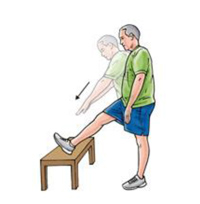
Exercises to relieve kneecap pain in New York: Knee exercises

You won't disappoint me, Ben.

Pin on sports

Adaptation and validation of the Patellofemoral Pain Syndrome Severity Scale in Greek (PDF)

Rotator cuff tear: A small tear in the rotator cuff, a rotational injury

Muscle Anatomy and Physiology, Health and Fitness, Exercise, Muscle and Bone Anatomy and Physiology, Anatomy Learning, Kueber

Discussion on how to strengthen the body

Patellofemoral Pain Syndrome - American Family Physician
knee pain

Physical therapy for medial elbow symptoms (tennis elbow) - elbow exercises

Pin 2 on Ortho

Install on Bodydynamics
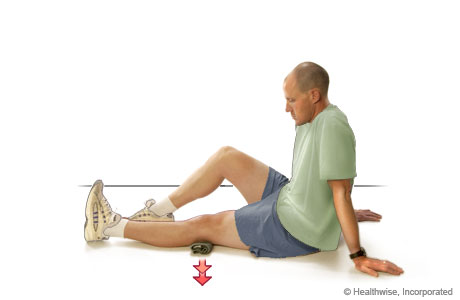
Patellar Disorders (Patellar Syndrome) - Michigan Medicine

NHS Ayrshire Arran - Exercises to treat patellofemoral knee pain syndrome

Anterior Knee Pain in Athletes (PDF)

He proved to be a great rock and roll coach.

PDF Orthoinfoaaosorg Knee Rehabilitation_6pdf Rehabilitation Exercises Ankle Exercises
Comments
Post a Comment